
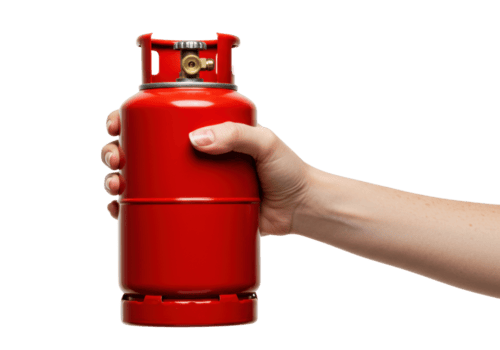
Gas cylinders are widely used in Pakistan for cooking, heating, commercial kitchens, and various industrial activities. Liquefied Petroleum Gas (LPG) provides a convenient fuel source, particularly in areas where piped natural gas is unavailable or unreliable.
However, LPG cylinders require careful handling, proper installation, and regular inspection. Gas leaks, damaged valves, unsafe storage, and contact with ignition sources can create serious fire and explosion hazards.
This beginner-friendly guide explains gas cylinder safety in Pakistan, including everyday precautions, storage practices, leak prevention, emergency response, and the role of fire detection systems.
1. Understanding LPG Gas Cylinders
Liquefied Petroleum Gas (LPG) is a fuel commonly consisting of propane, butane, or a mixture of these gases. It is stored under pressure as a liquid and changes into gas when released under normal operating conditions.
LPG is highly flammable and can form an ignitable mixture with air. A leak in an enclosed or poorly ventilated space can allow gas to accumulate and create a fire or explosion hazard.
LPG vapour is heavier than air, meaning leaked gas can collect in low-lying areas, including floor-level spaces, pits, and drains.
This makes ventilation and safe cylinder placement particularly important.
Common uses of LPG cylinders
- Cooking in homes and apartments
- Restaurants, hotels, and commercial kitchens
- Small businesses and food stalls
- Certain industrial and workshop activities
- Backup fuel arrangements where permitted
The safety requirements can vary depending on cylinder size, installation type, number of cylinders, and whether the system is domestic or commercial.
2. Common Gas Cylinder Hazards
Understanding the main hazards helps people recognize unsafe conditions before an incident occurs.
Gas leakage
A leak may develop because of a damaged valve, deteriorated seal, defective regulator, loose connection, damaged hose, or faulty cylinder.
Escaping gas can accumulate and ignite if it comes into contact with a flame, spark, or other ignition source.
Excessive heat
Cylinders exposed to fire, intense heat, or unsuitable storage conditions can experience increased internal pressure.
Direct heating or placing cylinders near stoves, heaters, and other heat sources can create dangerous conditions.
Poor ventilation
Gas escaping into an enclosed room may accumulate, particularly near floor level. A confined space can become hazardous even if the leak is not immediately visible.
Damaged or unsuitable equipment
Incorrect regulators, worn hoses, defective valves, and unauthorized modifications can compromise the safety of the gas supply.
Unsafe handling
Dropping, dragging, rolling, or striking a cylinder can damage its body or valve and increase the likelihood of leakage.
Pakistan’s Mineral and Industrial Gases Safety Rules, 2010, and LPG-related regulatory guidance address cylinder safety, handling, and precautions against fire and explosion.
3. Choosing a Safe Gas Cylinder
Safe gas use begins with obtaining a suitable cylinder from a legitimate supplier.
Avoid purchasing cylinders that appear damaged, have questionable identification, or have been altered in an unauthorized manner.
What to check before accepting a cylinder
Physical condition: Look for significant dents, deep corrosion, bulges, damaged valve guards, or other visible defects.
Valve condition: Check for visible damage or signs of leakage around the valve. Do not attempt to dismantle or repair it.
Identification: Confirm that the cylinder is appropriately marked and supplied through a legitimate distribution channel.
Seal and fittings: Check that the safety seal and relevant fittings are present and appear intact, where applicable.
Supplier information: Use a supplier who can provide appropriate cylinder exchange, inspection, and support arrangements.
If a cylinder appears damaged or defective, do not connect it to an appliance. Ask the supplier to replace it.
Pakistan’s revised LPG policy addresses safety standards across the LPG supply chain and the approval and certification of LPG equipment.
4. Proper Gas Cylinder Installation
Correct installation is essential for preventing gas leaks and ensuring that appliances operate safely.
A cylinder should be installed in a suitable, well-ventilated location, away from excessive heat, ignition sources, and areas where it could be damaged.
For domestic use, follow the appliance and cylinder manufacturer’s instructions and applicable local requirements. Commercial and multi-cylinder installations may require additional engineering, approvals, and safety measures.
Important installation precautions
- Place the cylinder upright on a stable, level surface.
- Keep it away from direct heat, flames, and hot surfaces.
- Ensure that the location has adequate ventilation.
- Protect the cylinder from impact and accidental movement.
- Keep it away from drains, pits, and low-lying enclosed spaces.
- Avoid obstructing exits, corridors, and escape routes.
- Use compatible regulators, hoses, and approved fittings.
Never install or store an LPG cylinder in a basement or another location where leaking gas could accumulate.
Do not place cylinders in stairwells, elevators, or escape routes.
For larger installations, required separation distances and ventilation arrangements should be determined by applicable regulations and a qualified professional.
5. Safe Connection of Regulators and Hoses
The regulator controls the pressure of gas supplied to an appliance. The hose carries gas between the regulator and the appliance where a flexible connection is permitted.
Both components must be suitable for the gas, pressure, and installation.
Regulator safety
Use a regulator designed for LPG and compatible with the cylinder and appliance.
Check it for visible damage, deterioration, or signs of leakage. Do not force a regulator onto a valve or modify its fittings to make it fit.
Never use an improvised connection or a regulator intended for a different gas.
Hose safety
Use an appropriate LPG-rated hose and compatible connections.
Keep the hose away from flames, hot surfaces, sharp edges, and locations where it could be crushed or damaged.
Avoid excessive bending, twisting, or stretching.
Inspect the hose regularly for cracking, brittleness, cuts, loose connections, and other visible defects.
Replace damaged components with suitable parts through a qualified technician.
Never use tape, glue, household sealants, or improvised fittings as a substitute for proper gas connections.
Do not attempt to repair a defective cylinder valve yourself.
6. How to Detect a Gas Leak
LPG supplied for ordinary domestic use is generally odorized to help people recognize escaping gas.
A noticeable gas smell should always be treated seriously. However, the absence of an odor does not guarantee that an installation is safe.
Common warning signs
- A persistent gas smell near a cylinder or appliance
- A hissing sound near a valve or connection
- Visible damage to a hose or regulator
- Unexpected changes in appliance operation
- A gas detector activating
Never use a match, lighter, cigarette, or other flame to check for a leak.
Do not rely on smell alone to determine whether a cylinder is safe.
What to do if you suspect a leak
If you smell gas or suspect a leak:
- Do not light a flame or operate electrical switches.
- Do not turn lights, fans, or appliances on or off.
- Do not use a phone inside the suspected gas-filled area.
- Alert other occupants and leave the affected area.
- Move to a safe outdoor location away from the suspected leak.
- Contact the fire service or emergency responders and your LPG supplier from a safe location.
If it is safe to do so without entering or remaining in the gas-filled area, follow the supplier’s emergency instructions.
Do not attempt to move a leaking cylinder yourself if doing so could expose you to danger.
OGRA’s LPG safety guidance emphasizes avoiding ignition sources and taking appropriate precautions when a leak is suspected.
7. Safe Storage of Gas Cylinders
Proper storage helps reduce the risk of leakage, fire, and accidental damage.
LPG cylinders should be kept in a suitable location with adequate ventilation and protection from excessive heat.
Storage guidelines
Keep cylinders upright. Cylinders should normally be stored and used in the upright position unless specific approved procedures provide otherwise.
Provide ventilation. The storage area should allow gas to disperse safely rather than accumulate in an enclosed space.
Keep away from heat. Avoid direct heat, open flames, hot machinery, and unsuitable storage conditions.
Separate from combustible materials. Do not store cylinders alongside unnecessary flammable materials or incompatible chemicals.
Prevent unauthorized access. Keep children and unauthorized persons away from cylinder storage areas.
Maintain accessibility. Cylinders should be accessible for inspection and safe handling without obstructing emergency exits.
Secure against damage. Protect cylinders from falling, impact, vehicle collisions, and other physical hazards.
Never store cylinders in a way that blocks stairways, doorways, or evacuation routes.
For businesses and facilities storing multiple cylinders, the storage arrangement must comply with applicable licensing, quantity, separation, and fire protection requirements.
8. Safe Handling and Transportation
Gas cylinders are heavy pressure vessels. Incorrect handling can damage the valve, cylinder body, or protective components.
Even an apparently empty cylinder may contain residual LPG and must be treated as potentially hazardous.
Safe handling practices
- Close the valve and fit the protective cap where provided and appropriate.
- Move cylinders carefully using suitable handling equipment.
- Avoid dropping, dragging, throwing, or striking cylinders.
- Do not lift or carry a cylinder by its valve.
- Keep cylinders away from sharp objects and damaging surfaces.
- Secure cylinders appropriately during authorized transportation.
Do not use cylinders as supports, rollers, or makeshift equipment.
Do not attempt to transport a leaking or damaged cylinder in a private vehicle.
OGRA’s safety guidance addresses careful handling, appropriate cylinder storage, and restrictions on unsafe LPG practices.
9. Safe Use of Gas Cylinders in Kitchens
Kitchens are among the most common places where domestic LPG cylinders are used.
Cooking appliances should be installed correctly and maintained to reduce the risk of gas leakage, accidental ignition, and burns.
Everyday kitchen safety
Keep the cylinder and gas connections away from the direct heat of the stove.
Ensure the kitchen has suitable ventilation and that the appliance is installed according to its instructions.
Keep paper, cloth, plastic packaging, and other combustible materials away from burners.
Do not leave cooking unattended for extended periods.
Keep children away from the cylinder, regulator, and hot cooking equipment.
Close the appliance controls and cylinder valve when the gas supply is no longer required, following the appliance manufacturer’s instructions.
If a burner flame behaves unusually or you notice a gas smell, stop using the appliance and arrange a professional inspection.
Never attempt to adjust or repair a gas appliance while it is operating.
10. Fire Safety in Restaurants and Commercial Kitchens
Restaurants, hotels, and catering businesses may use multiple cooking appliances and larger LPG installations.
Their fire safety arrangements should consider the number of cylinders, fuel consumption, cooking equipment, ventilation, employee activities, and evacuation requirements.
Recommended precautions
- Have gas installations designed and inspected by qualified professionals.
- Keep cylinders in approved, properly ventilated locations.
- Maintain suitable separation from heat and ignition sources.
- Inspect gas connections and equipment according to a maintenance schedule.
- Keep exits, corridors, and access routes unobstructed.
- Train staff to recognize gas leaks and respond to alarms.
- Provide appropriate firefighting equipment and emergency procedures.
- Arrange any required gas detection and automatic shutoff systems.
Commercial kitchens with fixed fire suppression systems may require coordinated fuel shutoff arrangements as part of their approved design.
A gas detection system should be selected and positioned according to the type of gas, installation layout, ventilation, and manufacturer’s specifications.
Do not assume that a general-purpose smoke detector can detect LPG.
OGRA has specifically advised that LPG cylinder banks in restaurants, hotels, food chains, malls, and commercial buildings should be installed in properly ventilated spaces rather than confined spaces or basements.
11. The Role of a Fire Alarm System in Pakistan
A fire alarm system can form an important part of a property’s overall fire protection strategy.
It helps alert occupants to a potential fire so they can respond and evacuate. However, a standard fire alarm system does not necessarily detect LPG leaks.
A building using LPG may require a separate, appropriately designed combustible-gas detection system.
Fire alarms and gas detectors: What’s the difference?
| Equipment | Main purpose |
|---|---|
| Smoke detector | Detects smoke associated with a developing fire. |
| Heat detector | Responds to specified heat conditions. |
| LPG gas detector | Detects LPG concentrations within its designed detection range. |
| Fire alarm panel | Receives compatible alarm signals and manages system functions. |
| Gas shutoff valve | Stops gas flow when appropriately installed and activated. |
A fire alarm system in Pakistan should be selected based on the property’s occupancy, layout, fire risks, and applicable building requirements.
Where LPG detection is needed, a qualified professional should determine the appropriate detector type, placement, alarm arrangements, and any automatic shutoff functions.
Why professional installation matters
Incorrectly positioned gas detectors may fail to provide the intended warning.
LPG is heavier than air and can collect near floor level, so detector placement needs to account for the gas characteristics and the manufacturer’s instructions.
The design should also consider airflow, obstructions, potential leak locations, and environmental conditions.
For larger commercial or industrial installations, gas detection and automatic fuel isolation may form part of a broader safety system.
A properly designed system can provide an additional warning layer, but it cannot replace safe cylinder handling, regular maintenance, or emergency preparedness.
12. Gas Cylinder Safety During Summer
Hot weather makes careful cylinder storage particularly important.
Cylinders should not be exposed to excessive temperatures, direct heat, or unsuitable storage conditions.
In Pakistan, high summer temperatures can make poorly ventilated storage areas especially concerning.
Summer precautions
- Keep cylinders away from direct heat and open flames.
- Avoid storing cylinders in hot, enclosed rooms.
- Provide appropriate ventilation.
- Inspect hoses and connections for visible deterioration.
- Keep combustible materials away from cylinder storage areas.
- Ensure cylinders are protected against accidental impact.
- Arrange professional maintenance when defects are suspected.
Never cool a cylinder by placing it in a refrigerator, applying improvised cooling methods, or exposing it to unsafe handling conditions.
If a cylinder becomes unusually hot or is exposed to fire, keep away, evacuate the area, and contact emergency responders.
Do not approach or attempt to move a cylinder that may have been heated by fire.
13. What to Do If a Gas Cylinder Catches Fire
A fire involving an LPG cylinder can be extremely dangerous, particularly if the cylinder is heated or gas continues to escape.
The appropriate response depends on the location, fire conditions, and whether the gas supply can be safely isolated.
Emergency response steps
- Raise the alarm and warn people nearby.
- Evacuate the building and move away from the hazard.
- Contact the local fire service or emergency responders.
- Inform responders that an LPG cylinder is involved.
- Keep other people away from the affected area.
- Do not attempt to move a burning or heated cylinder.
- Follow the instructions of emergency personnel.
Do not attempt to extinguish a gas flame if doing so could leave gas escaping and accumulating.
Only trained emergency personnel should manage dangerous cylinder fires or undertake hazardous gas isolation.
If the fire is spreading, prioritize evacuation rather than attempting to protect property.
14. Fire Extinguishers and Emergency Equipment
Appropriate firefighting equipment can support emergency response when selected, installed, and maintained according to the hazards present.
However, a fire extinguisher is not a substitute for evacuation or professional assistance when a gas cylinder is leaking or involved in a serious fire.
Equipment considerations
- Select extinguishers suitable for the relevant fire hazards.
- Keep equipment accessible and clearly identified.
- Inspect and maintain extinguishers according to applicable requirements.
- Train employees in appropriate emergency procedures.
- Keep emergency exits and firefighting access routes clear.
- Provide suitable emergency contact information.
For commercial LPG installations, additional protection may be required, such as gas detection, emergency shutoff systems, or fixed fire suppression.
The correct arrangements should be established through a professional assessment and in accordance with applicable regulations.
15. Regular Inspection and Maintenance
Regular inspections help identify damaged equipment and unsafe conditions before they lead to an incident.
Cylinder users should check for visible problems without dismantling valves, regulators, or other pressurized components.
A practical maintenance routine
Before use: Check that the cylinder appears undamaged and that the regulator and hose are suitable and correctly connected.
During routine use: Watch for gas odors, unusual sounds, damaged hoses, or abnormal appliance operation.
Periodically: Arrange appropriate inspections and replacement of worn components through qualified professionals.
When changing cylinders: Ensure that the appliance is off and follow the manufacturer’s and supplier’s connection procedures.
When defects are found: Stop using the equipment and contact the supplier or qualified technician.
For commercial installations: Keep maintenance records and follow the inspection and testing schedule established for the system.
Never continue using a cylinder or gas appliance simply because the leak appears small.
OGRA’s revised LPG policy describes requirements for cylinder testing, revalidation, and safety oversight within the LPG supply chain.
16. Building a Gas Safety Culture at Home and Work
Gas safety depends on consistent behavior and clear communication.
Families should ensure that everyone understands how to recognize a suspected leak, where to evacuate, and whom to contact.
Businesses should provide employees with relevant training and clear procedures for reporting damaged equipment, gas odors, and unsafe conditions.
Property managers should coordinate inspections, maintenance, emergency planning, and any required safety approvals.
Restaurants, factories, and other commercial facilities should ensure that contractors understand the risks associated with working on LPG installations.
Safety instructions should be accessible to people who may need to respond during an emergency, including new employees and visitors where relevant.
Conclusion
Gas cylinders provide a practical fuel source for homes and businesses across Pakistan, but their safe use requires proper installation, suitable equipment, careful storage, and regular inspection.
The main hazards include gas leakage, excessive heat, poor ventilation, damaged connections, and unsafe handling. Recognizing these risks and following appropriate safety procedures can help reduce the likelihood of fires and explosions.
A properly designed fire alarm system in Pakistan can support building-wide fire warnings, while a suitable LPG gas detection system can provide additional protection against gas leaks. Both should form part of a broader safety strategy that includes professional installation, maintenance, training, and emergency planning.
Whether using a cylinder in a home kitchen or managing a commercial LPG installation, safe practices and prompt attention to defects are essential.
For more information about fire prevention and protection systems, visit Flame Defender.
Frequently Asked Questions (FAQs)
1. Is it safe to keep an LPG cylinder inside a kitchen?
A cylinder may be used in a kitchen only when the installation complies with applicable requirements and manufacturer instructions. The location must have appropriate ventilation and protection from heat, ignition sources, and accidental damage. Basements and poorly ventilated enclosed spaces should be avoided.
2. How can I check whether my gas cylinder is leaking?
A gas smell or hissing sound may indicate a leak. Never use a flame to test for gas. If you suspect leakage, avoid operating electrical switches, evacuate the affected area, and contact emergency responders or your LPG supplier from a safe location.
3. Can I repair a leaking gas cylinder at home?
No. Do not dismantle, modify, or attempt to repair a leaking cylinder or defective valve yourself. Stop using it, move away from the hazard, and contact the supplier or emergency services as appropriate.
4. Does a fire alarm system detect LPG gas leaks?
Not necessarily. Standard smoke and heat detectors are designed for fire-related conditions, not LPG detection. A suitable combustible-gas detector is needed when LPG leak detection is required.
5. What should I do if an LPG cylinder catches fire?
Raise the alarm, evacuate immediately, move away from the cylinder, and contact the fire service. Never approach or move a burning or heated cylinder. Follow emergency responders’ instructions and do not attempt firefighting if it puts you at risk.